
Great River Passage Initiative
Building the River Capital
From the Dakota homeland to the building of the state capitol, the Mississippi River has always been central to Saint Paul. With it, the river carries the stories of the people, cultures, and natural history that have shaped our city. Our city is not Saint Paul without it.
The Conservancy is working to reconnect our community to the river’s 3,500 acres of shoreline, 17 parks, six major trails, and five historic sites—places that define who we are. In partnership with the City of Saint Paul, we’re advancing a unified vision that elevates the Mississippi River in our city’s identity, collaborates with Saint Paul’s diverse communities, and invests in short and long-term, equitable, and inclusive opportunities for life-shaping experiences.
Learn more about upcoming projects

Mississippi River Learning Center
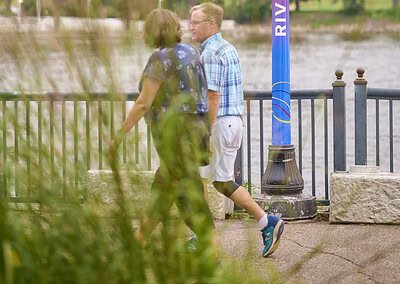
Downtown Riverwalk
These efforts will help position Saint Paul as the River Capital, strengthening:
Community Health and Wellbeing
More than 4 million people visit river parks each year, including 30,000 children. Yet access hasn’t been equal. We’re committed to working with partners to make these natural spaces welcoming and accessible for everyone.
Shared Culture and History
We honor the rich natural and cultural heritage of this Dakota homeland in Saint Paul and collaborate with Saint Paul’s diverse cultural communities to ensure that culture and history are preserved and that voices are represented.
Economic Development
The river is a major economic driver. Five million tons of goods move through Saint Paul each year, and Port Authority terminals support 30 businesses and nearly 750 jobs.
Environmental Stewardship
Climate change is putting pressure on the Mississippi and its ecosystems. As a vital flyway and habitat for hundreds of species, the river needs strong advocates. Our projects aim to restore and protect natural areas and the wildlife that depends on them.